We hear this question all the time.
A building owner has been told their roof is reaching the end of its life. There are leaks appearing in several areas. Maintenance costs seem to be increasing every year. Then someone suggests a full roof replacement and suddenly the numbers start getting uncomfortable.
Before long, another option gets mentioned. Overcladding.
The next question is usually, “Why replace the roof if it can be overclad?”
The honest answer is that it depends on the building. Some roofs are excellent candidates for overcladding. Others have deteriorated to the point where replacement is the better long-term decision. The important thing is understanding the difference before spending money on a major roofing project.
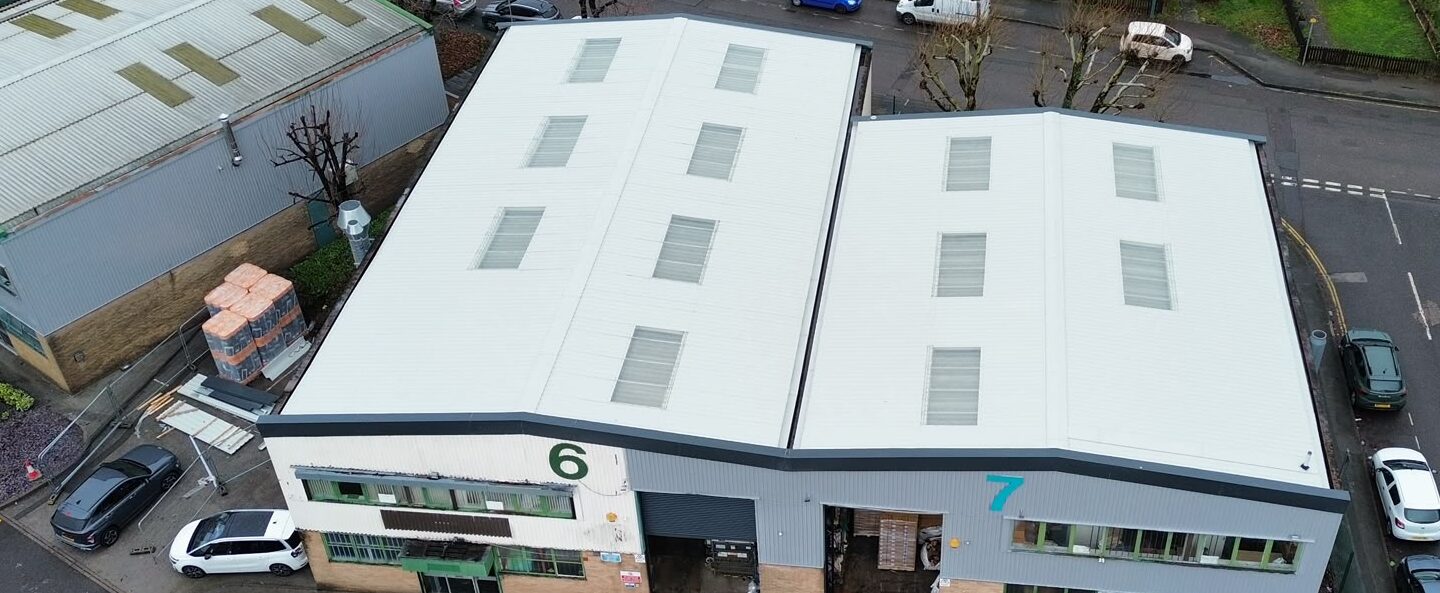
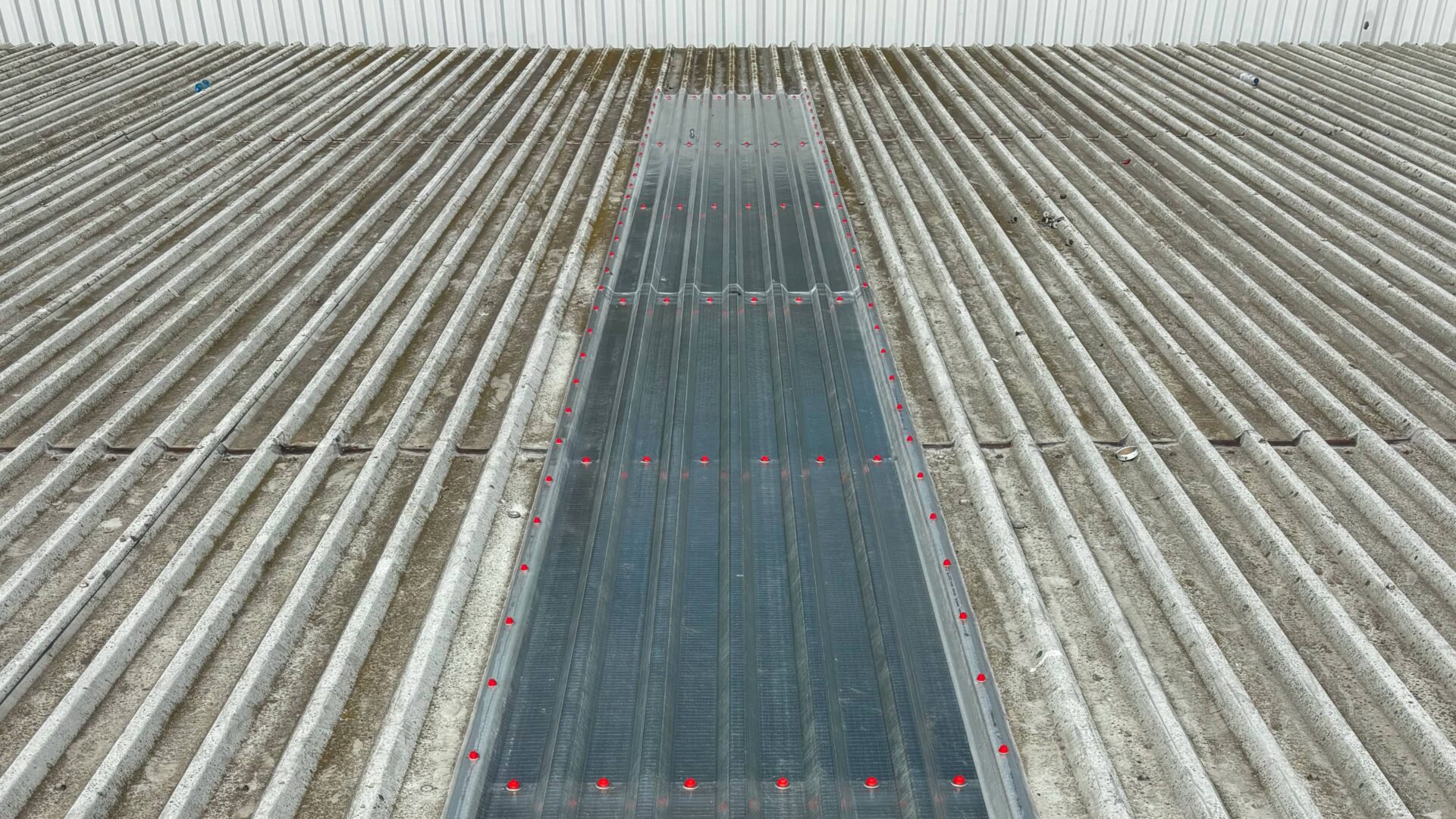
Many ageing industrial roofs can be improved without a full strip and replacement project.
The First Thing We Look At Isn’t the Roof Covering
Most people assume the decision comes down to how old the roof is.
Age certainly matters, but it isn’t usually the deciding factor.
We’ve inspected buildings with roof sheets over thirty years old that were still suitable for refurbishment. We’ve also seen newer roofs where wider issues made replacement the better option.
The first thing we want to understand is the overall condition of the building.
How sound is the structure?
Are the existing roof sheets still stable?
Is water getting into the building?
Have previous repairs been successful?
The answers to those questions often tell us more than the age of the roof itself.
Why Overcladding Has Become So Popular
Many industrial buildings across the West Midlands and throughout the UK were constructed decades ago.
The buildings are still perfectly usable, but the roofs are beginning to show their age.
Leaks appear.
Insulation standards no longer meet expectations.
Energy costs increase.
Maintenance becomes more frequent.
For many owners, overcladding offers a way to improve the roof without completely removing the existing covering.
That can reduce disruption and often makes projects easier to manage while the building remains operational.
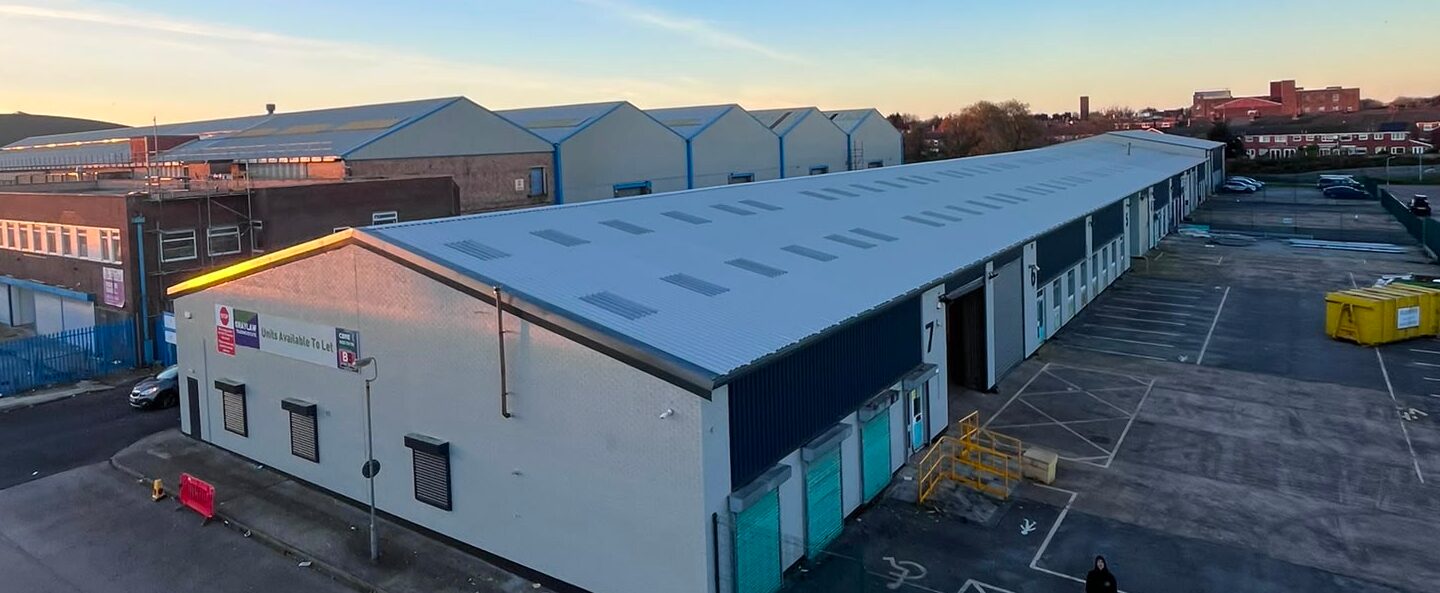
Overcladding systems can help improve performance while avoiding a full strip and replacement.
What Is Industrial Roof Overcladding?
Put simply, overcladding involves installing a new roofing system over the existing roof structure.
The exact specification varies depending on the building, but the goal is usually the same.
Improve weather protection.
Improve insulation.
Extend the lifespan of the building.
Reduce ongoing maintenance.
Many owners are surprised by how much a building can be transformed without completely removing the original roof.
When Overcladding Makes Sense
There are plenty of situations where overcladding can be a sensible investment.
We often find it works well when the structure remains sound but the roof covering has started to deteriorate.
The building may have recurring leaks.
The insulation may be poor.
The appearance of the building may have become tired.
In those situations, overcladding can provide a practical solution without the disruption associated with a complete replacement project.
It can also be attractive for businesses that need to remain operational while works are completed.
When Replacement May Be the Better Option
This is where honest advice matters.
Not every roof should be overclad.
Sometimes replacement genuinely is the better choice.
We’ve inspected roofs where years of water ingress had caused wider problems. We’ve seen situations where previous repairs had been carried out repeatedly with limited success.
There are also occasions where structural concerns need addressing before any refurbishment solution is considered.
If replacement is likely to provide a significantly better long-term outcome, it is important that building owners understand that from the outset.
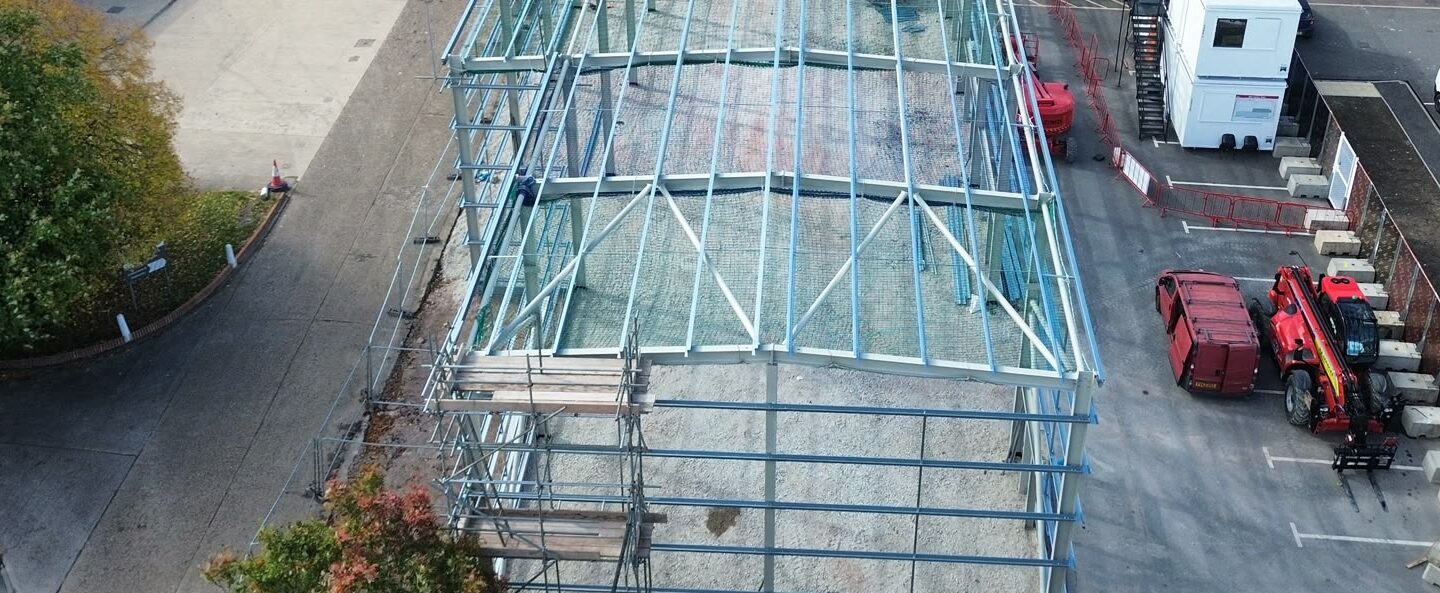
Some roofs may have deteriorated beyond the point where refurbishment remains practical.
The Cost Conversation
Let’s be honest.
This is usually one of the main reasons the discussion happens in the first place.
Building owners want to understand whether there is a more cost-effective option available.
Every project is different, so it would be misleading to suggest one solution is always cheaper than the other.
What we can say is that overcladding often avoids some of the disruption and removal work associated with a full replacement project.
That can have a positive impact on overall project costs.
The only reliable way to assess value is by looking at the specific building and understanding what condition it is actually in.
What About Business Disruption?
For many factories, warehouses and commercial buildings, disruption is often a bigger concern than the roof itself.
The building still needs to function.
Staff still need to work.
Customers still expect deliveries.
This is one reason many owners explore overcladding in the first place.
Depending on the building and the scope of works, projects can often be planned in a way that helps minimise disruption to daily operations.
You can read more in our guide to factory roof replacement projects.
Don’t Forget About Rooflights and Gutters
A roof project is often an opportunity to address other ageing elements of the building.
We regularly find deteriorating rooflights, leaking gutters and outdated drainage systems alongside ageing roof coverings.
Addressing these issues as part of a wider refurbishment project often makes sense.
Learn more about our rooflight replacement services and gutter coating and lining systems.
Roof refurbishment projects often include rooflight upgrades and gutter improvements.
The Best Decision Usually Starts With a Survey
There is no shortcut around this.
Before deciding between overcladding and replacement, the building needs to be properly assessed.
A roof survey provides the information needed to make an informed decision.
Without that information, owners are often relying on assumptions.
Some roofs are far better than expected.
Others reveal issues that are not visible from ground level.
A survey removes the guesswork.
Frequently Asked Questions
Is overcladding cheaper than roof replacement?
It can be, depending on the building and the work involved. Every project should be assessed individually.
Can a factory stay open during overcladding works?
Many projects are completed while businesses continue operating, although planning requirements vary from site to site.
How long does industrial roof overcladding last?
The lifespan depends on the system installed, building conditions and ongoing maintenance.
Can all industrial roofs be overclad?
No. Some roofs may require replacement due to structural issues or extensive deterioration.
